
 See Our Latest Article on HelloNation
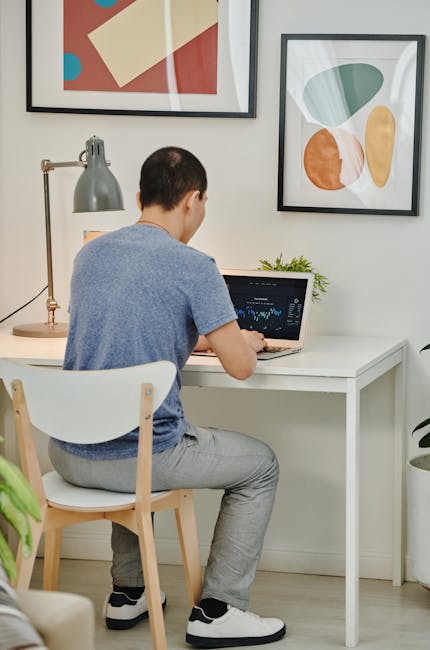
For many Southold residents, the shift to working from home has brought both convenience and unexpected challenges. With its charming harbors, beautiful vineyards, and a pace of life that values wellbeing, Southold’s community is uniquely positioned to embrace healthier routines—even when the “office” is just a few steps from the kitchen. Yet, remote work can negatively impact our posture if we’re not intentional about our workspace and daily habits. As a chiropractor serving Southold, I see firsthand how common these issues have become. Below, I’ll share practical, expert-backed advice to improve posture while working from home, fitting the lifestyle and landscape of our beautiful town.
Why Good Posture Matters—Especially at Home
Poor posture can result in discomfort, pain, and even long-term musculoskeletal issues. Common symptoms include:
- Neck and shoulder stiffness
- Lower back pain
- Frequent headaches
- Fatigue and decreased productivity
Addressing posture at home isn’t just about avoiding pain—it’s about improving wellbeing and allowing you more time to enjoy Southold’s parks, nature trails, or sunset walks by the bay.
Common Posture Pitfalls for Remote Workers
Southold’s homes often feature cozy reading nooks and vintage furnishings—not always the ideal setup for hours of laptop work. Many residents use dining tables, sofas, or even beds as makeshift desks, which can easily lead to slouching, craned necks, or unsupported backs.
Warning Signs of Poor Posture
- Rounding or hunching of the shoulders
- Forward head position (ears in front of shoulders)
- Unnatural arch or slouch in the lower back
- Increased fatigue by the end of the workday
Setting Up an Ergonomic Home Office—No Matter Your Space
You don’t need a brand new office suite to improve your posture at home in Southold. Small, strategic adjustments can have a big impact.
1. Optimize Your Chair
- Choose a chair that supports your lower back. If that’s not available, add a rolled towel or small pillow to maintain your spine’s natural curve.
- Adjust the chair height so your feet rest flat on the floor (or a sturdy footrest), with knees at hip level.
- Try to avoid prolonged sitting on sofas or beds, which rarely provide adequate support.
2. Desk & Screen Position
- Position your computer monitor so the top of the screen is at or just below eye level—use books or boxes if necessary, echoing the resourcefulness found in Southold’s repurposed farmhouses.
- Keep your keyboard and mouse close, so elbows can stay at your sides with a 90-degree bend.
- Sit at arm’s length from the screen, reducing eye and neck strain.
3. Lighting Matters
Good natural light is one of Southold’s assets. Set up your workspace near a window to benefit from daylight, but angle your screen to avoid glare.
Active Breaks: Move Like a North Fork Local
Southold’s residents are known for their active outdoor lifestyles—from paddling in Peconic Bay to tending community gardens. Incorporating more movement into your work-from-home day can revive your energy and posture.
Tips to Stay Active While Working
- Set a timer to stand or stretch every 30-60 minutes.
- Use phone calls as an opportunity to walk around your home or yard.
- Try a quick stretch routine on your deck or patio—take advantage of the fresh air and scenery.
Simple At-Home Posture Exercises
These exercises can be done anywhere and are especially effective if practiced regularly:
The Chin Tuck
Helps reduce forward head position and neck strain.
- Sit or stand tall.
- Slowly draw your chin back, keeping your eyes level.
- Hold for 3-5 seconds and repeat 10 times.
Shoulder Blade Squeeze
Boosts upper back strength for better support.
- Sit or stand with arms by your sides.
- Squeeze shoulder blades together, hold for 5 seconds, and release.
- Repeat 10 times.
Cat-Cow Stretch
Relieves stiffness in the back and encourages spinal mobility.
- Begin on all fours (hands and knees).
- Inhale, arch your back and look up (cow position).
- Exhale, round your spine and tuck your chin (cat position).
- Repeat 10 times.
Creating a Healthy Routine in Southold
While Southold’s culture encourages slowing down and enjoying each season, the flexibility of remote work can also invite a blurring of boundaries between work and relaxation. Establishing a daily routine helps reinforce healthy habits:
- Start and finish your work at consistent times.
- Schedule a daily walk—whether through the vineyards or along Hortons Point Lighthouse trail—to reset your posture and refresh your mind.
- Stay hydrated and take lunch breaks away from the workspace.
When to Seek Professional Advice
If you notice persistent symptoms such as tingling, numbness, severe back pain, or headaches, it’s important to consult with a local chiropractor or healthcare provider. Early intervention can prevent small posture problems from becoming chronic issues.
Southold’s Advantage: Combining Community, Nature, and Health
Working from home is here to stay for many in Southold. By intentionally curating your workspace and building in healthy habits—like those above—you can protect your posture, reduce discomfort, and make the most of our town’s unique resources. Remember, integrating movement, natural light, and community spirit will help you find balance and comfort during your remote workday. Here’s to enjoying the best of Southold, whether you’re at your desk or out soaking up our town’s scenic beauty.
