
 See Our Latest Article on HelloNation
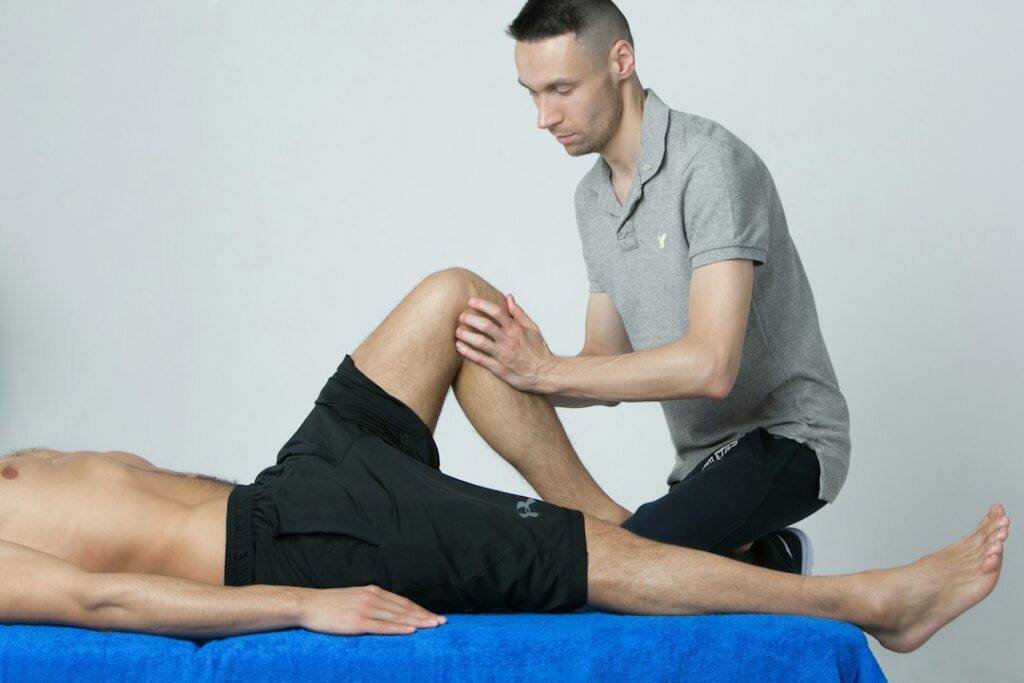
Sports injuries can affect anyone in Southold, NY, from people who play organized sports to residents who run, cycle, paddle, garden, or exercise at home. Chiropractic care may help with some muscle, joint, and movement-related problems, but it works best as part of a broader recovery plan rather than as a replacement for emergency care, imaging, rehabilitation, or medical evaluation.
What types of sports injuries may respond to chiropractic care?
Chiropractic care is generally most relevant to musculoskeletal injuries involving the spine, joints, muscles, and movement patterns. Examples may include uncomplicated back pain after lifting, joint stiffness, minor strains, some overuse problems, and movement limitations that remain after the initial injury has settled.
A chiropractor may evaluate:
- How the injury happened
- Which movements increase or reduce symptoms
- Joint range of motion
- Muscle tenderness and strength
- Balance, coordination, and walking mechanics
- Whether symptoms suggest a more serious condition
For an athlete with low-back pain after rowing, cycling, running, or weight training, the assessment may focus on spinal motion, hip mobility, trunk strength, and training habits. For a person with shoulder discomfort after throwing or paddling, the evaluation may include the neck, upper back, shoulder blade, and shoulder joint rather than focusing only on the painful spot.
The purpose is to identify factors that may be contributing to pain and reduced function. A responsible evaluation should also determine when chiropractic treatment is not appropriate.
How can chiropractic treatment support recovery?
Chiropractic treatment may help reduce pain and improve movement in some people with mechanical back or neck pain. Treatment can include spinal or joint mobilization, stretching, soft-tissue techniques, and individualized exercises. Some chiropractors also provide guidance on posture, lifting, warm-ups, training loads, and gradual return to activity.
Spinal manipulation is only one possible technique. It involves a controlled movement applied to a joint, while mobilization uses slower or gentler movement within a joint’s normal range. Neither approach should be assumed to be necessary for every sports injury.
A recovery plan may aim to help a person:
- Move a stiff joint more comfortably
- Resume normal walking or daily activity
- Improve strength and control around an injured area
- Reduce repeated stress on a painful body part
- Understand which activities are safe during recovery
- Progress gradually toward sport-specific movement
Research is strongest for chiropractic manipulation and related manual treatments in certain types of low-back and neck pain. Evidence is less established for many specific athletic injuries, including ligament tears, major tendon injuries, fractures, and complex shoulder or knee problems. Results can vary considerably from one person to another.
Can chiropractic care treat a sprain, strain, or torn ligament?
Chiropractic care may assist with movement and rehabilitation after a mild sprain or strain, but it does not directly repair a torn ligament, broken bone, dislocated joint, or severely damaged tendon.
A sprain affects a ligament, while a strain affects a muscle or tendon. Early treatment often involves protecting the area, controlling swelling, maintaining safe movement, and avoiding activities that worsen symptoms. As healing progresses, strengthening and balance exercises become more important.
Manual treatment may be considered when stiffness or altered movement continues, but the timing depends on the injury. Forceful manipulation over an acutely swollen, unstable, or seriously injured area may be inappropriate. A suspected fracture, complete tendon rupture, major ligament injury, or joint dislocation requires medical evaluation.
What should someone expect during an evaluation?
A thorough evaluation begins with questions about the injury, symptoms, health history, medications, previous injuries, and activity level. The examination may include movement testing, strength checks, neurological screening, and observation of walking or sport-related motions.
The assessment should also consider the demands of the activity. A person returning to recreational cycling has different needs from someone returning to contact sports, competitive running, tennis, or water-based activities. In a seasonal community, training patterns may change quickly as outdoor recreation increases during warmer months. A sudden jump in mileage, paddling time, games, or yard work can overload tissues that were not conditioned for that demand.
Imaging is not always necessary for uncomplicated muscle or joint pain, but it may be appropriate when symptoms suggest a fracture, significant tissue damage, infection, or another condition that cannot be assessed safely through examination alone.
When is chiropractic care not the right first step?
Some symptoms require urgent or prompt medical attention rather than routine manual treatment. Warning signs include:
- Inability to bear weight after an injury
- Visible deformity or a joint that appears out of place
- Rapid or severe swelling
- Severe pain after a collision or fall
- Numbness, progressive weakness, or loss of coordination
- Loss of bladder or bowel control with back symptoms
- Fever, unexplained weight loss, or unusual nighttime pain
- Chest pain, shortness of breath, or fainting
- Head injury symptoms such as confusion, repeated vomiting, worsening headache, or unusual behavior

Neck manipulation deserves particular caution. Serious complications are rare, but sudden neck symptoms after an injury, especially with neurological changes or severe headache, should be evaluated medically.
Concussion symptoms also require a separate approach. Chiropractic care should not be used to clear an athlete for play after a concussion. Return to sports should be gradual and guided by an appropriately qualified healthcare provider. An athlete should not return while symptoms remain or simply because pain in the neck or back has improved.
How does rehabilitation fit with chiropractic care?
Exercise is usually central to durable sports-injury recovery. Manual treatment may make movement more comfortable, but strength, coordination, flexibility, balance, and gradual exposure to sport demands help determine whether the body is ready for activity.
A useful plan may begin with ordinary movements such as walking, then progress to light aerobic exercise, controlled strengthening, sport-specific drills, practice, and competition. Symptoms should be monitored during and after each increase. Returning too quickly because pain temporarily decreases can allow the original problem to return.
For example, a runner recovering from calf pain may need more than hands-on treatment. The plan may also address running volume, footwear, hill training, calf strength, ankle mobility, and recovery between sessions. Someone with recurring low-back pain after lifting may need changes in technique, trunk and hip strengthening, sleep, and workload management.
Communication among a chiropractor, primary care clinician, physical therapist, athletic trainer, or sports medicine clinician can be useful when an injury is persistent, complex, or affecting performance.
What can residents do to reduce sports-injury risk?
Injury prevention does not require eliminating activity. It usually involves building workload gradually and paying attention to recovery.
Helpful habits include:
- Warm up with easy movement before intense exercise
- Increase distance, weight, or training time gradually
- Include strength and balance work, not only endurance training
- Replace repetitive activity with rest or lower-impact movement when needed
- Use extra caution on wet, uneven, sandy, icy, or unfamiliar surfaces
- Wear activity-appropriate protective equipment
- Avoid playing through sharp, worsening, or neurologic symptoms
- Resume sport in stages after an injury
For people moving between indoor winter exercise and outdoor summer activities, conditioning should begin before the activity becomes frequent. A gradual transition may reduce the risk of overuse injuries affecting the back, knees, ankles, shoulders, and elbows.
Chiropractic care can be one component of sports-injury management when the problem is appropriate for conservative care and the treatment plan includes examination, informed decision-making, exercise, and reassessment. The central goal is not simply to reduce pain for a few hours, but to restore safe movement and help the person return to normal activity without overlooking an injury that needs a different form of care.
