
 See Our Latest Article on HelloNation
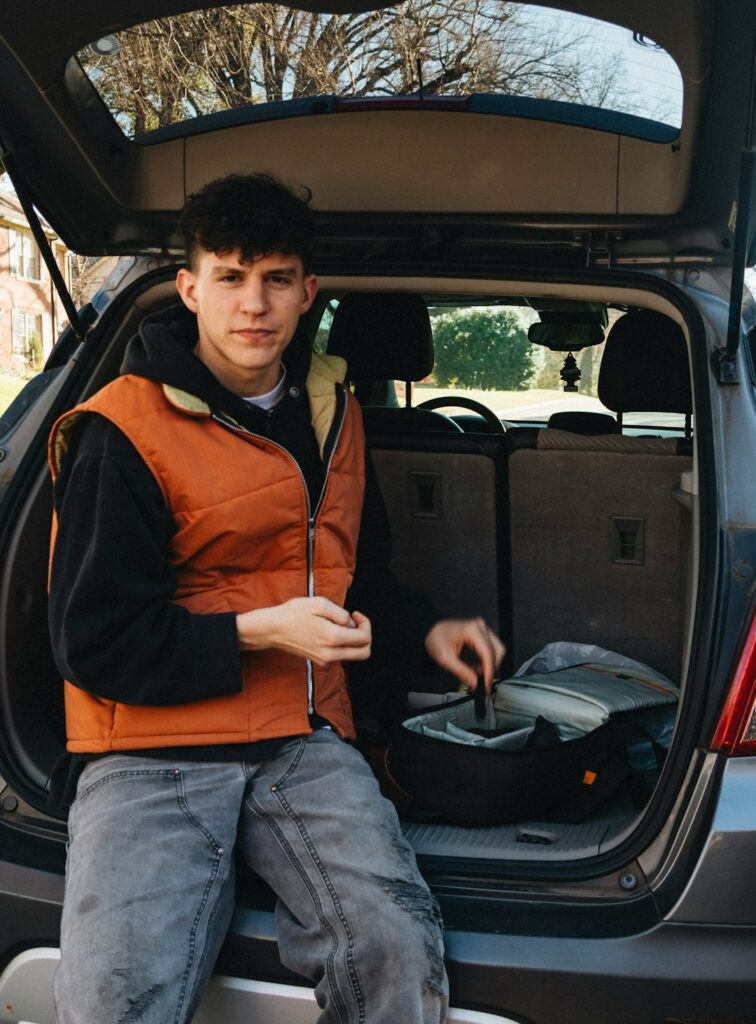
Travel can place unusual demands on the lower back. Long periods of sitting, awkward luggage handling, cramped legroom, uneven walking surfaces, and sleeping in unfamiliar beds may all contribute to stiffness or pain. For residents of Southold, NY, these challenges can arise during extended car trips, ferry connections, airport travel, or seasonal journeys that involve carrying bags and spending hours in one position.
The most reliable strategy is not maintaining one “perfect” posture. It is changing position regularly, preparing the body for lifting and walking, and responding early to signs of stiffness.
Why does travel often trigger lower back pain?
Travel-related back pain commonly develops from a combination of inactivity and sudden physical demands. Sitting for several hours can make the hips and lower back feel tight, especially when the seat is poorly adjusted or the traveler is leaning toward a phone, dashboard, or laptop.
Pain may also appear after arriving at the destination. A person may sit for most of the trip, then immediately lift a suitcase from the trunk, climb stairs, walk over uneven ground, or sleep in a different bed. The sudden change in activity can strain muscles and joints that have been relatively still.
Other common contributors include:
- Slouching or twisting to reach personal items
- Keeping a wallet, phone, or other object in a back pocket
- Carrying a heavy bag on one side
- Lifting luggage while bending and rotating at the same time
- Wearing unsupportive footwear during long periods of walking
- Skipping normal meals, hydration, movement, or rest because of a busy itinerary
A temporary increase in stiffness does not necessarily mean that serious damage has occurred. Travel discomfort often reflects sensitivity to prolonged positioning, unfamiliar exertion, or muscle fatigue.
How should a car seat be adjusted for a long trip?
A car seat should allow the driver to reach the pedals and steering wheel without leaning forward or stretching. The backrest should support the trunk without forcing the body into a rigid, upright position.
Before leaving, check the following:
- Keep the hips level with or slightly higher than the knees if comfortable.
- Adjust the seat so the lower back is supported rather than left unsupported behind a large gap.
- Keep the shoulders relaxed and avoid reaching too far for the steering wheel.
- Position mirrors after settling into a comfortable driving posture. If mirrors require leaning or twisting to use, they may encourage poor positioning.
- Remove bulky objects from the back pocket, which can tilt the pelvis while sitting.
A small rolled towel or other modest lumbar support may help some people, but it should not create excessive pressure or push the back into an exaggerated arch. Comfort and the ability to change position matter more than achieving a strict posture.
Drivers should plan breaks before discomfort becomes intense. During each stop, walk briefly, move the ankles, and gently loosen the hips and back. A stop every couple of hours is a practical general guideline, with more frequent breaks if symptoms begin earlier.
What is the safest way to lift and carry luggage?
Luggage is most likely to strain the lower back when it is lifted from a low position, held away from the body, or moved with a twisting motion. The goal is to bring the bag close before lifting and turn the whole body rather than rotating through the spine.
Use these habits:
- Stand close to the bag before lifting.
- Bend through the hips and knees as needed instead of rounding sharply through the lower back.
- Hold the luggage near the body.
- Tighten the grip before beginning the lift.
- Turn with the feet rather than twisting while carrying.
- Divide heavy contents between two manageable bags when possible.
- Use both hands for bulky or uneven luggage.
- Ask for assistance with an especially heavy bag when doing so is necessary for safety.

Rolling luggage can reduce carrying demands, but pulling a bag behind the body for a long distance may cause repeated twisting. Alternate hands when practical and keep the handle at a height that allows a relaxed shoulder and relatively upright walk.
How can travelers stay comfortable on planes, buses, and ferries?
Confined seating makes movement more difficult, but small adjustments still help. Keep both feet supported when possible, avoid leaning continuously to one side, and change leg position periodically. If the seat reclines, a modest recline may reduce strain compared with sitting rigidly upright.
During longer trips:
- Stand and walk when it is safe and permitted.
- Move the ankles and gently flex the feet while seated.
- Shift position instead of remaining frozen in one posture.
- Keep frequently used items within easy reach.
- Avoid working for hours with the head bent toward a phone or laptop.
- Use a small cushion or rolled clothing for support only if it improves comfort.
Extended travel also increases the importance of moving the legs. Regular walking and ankle movement support circulation. Travelers with a history of blood clots, recent surgery, pregnancy, cancer, or other clotting risks should ask a healthcare professional about individualized precautions before a long journey.
Should travelers stretch before or during a trip?
Gentle movement is usually more useful than forceful stretching. Before departure, a short walk and a few comfortable movements can prepare the body without creating fatigue. During travel, simple movements such as shoulder rolls, ankle pumps, easy walking, and controlled hip movement may reduce stiffness.
Avoid bouncing, forcing a stretch, or trying a new intense exercise immediately before carrying luggage. A movement that causes sharp pain, spreading pain, numbness, or weakness should be stopped.
People who already have recurring back symptoms may benefit from practicing their usual exercises before travel rather than experimenting with unfamiliar routines on the day of departure.
What should travelers do if pain begins?
Early symptoms are a signal to change the activity, not necessarily a reason to remain completely still. If sitting causes discomfort, stand or walk briefly. If walking increases symptoms, slow down, shorten the stride, and rest in a supported position.
Heat or cold may provide temporary relief, depending on which feels better. Over-the-counter pain medication may not be appropriate for everyone, particularly people with kidney disease, ulcers, blood-thinning medication, allergies, pregnancy, or other medical conditions. Medication labels and personal medical guidance should be followed carefully.
After arrival, avoid scheduling strenuous lifting or an unusually long walking day immediately after a lengthy journey. A gradual return to normal activity is often easier on the back than alternating between prolonged rest and sudden exertion.
When does travel-related back pain need medical attention?
Most uncomplicated travel-related back pain improves with ordinary movement and time. Prompt medical evaluation is warranted for severe or worsening pain, pain after a significant fall or collision, fever, unexplained weight loss, or a history of cancer, major trauma, or osteoporosis.
Urgent attention is needed for new loss of bladder or bowel control, numbness around the inner thighs or genital area, or significant weakness in one or both legs. Pain accompanied by chest pain, shortness of breath, or one-sided leg swelling also requires urgent evaluation because those symptoms may indicate a condition unrelated to ordinary back strain.
For most travelers, the practical priorities are straightforward: adjust the seat, avoid prolonged stillness, lift close to the body, change positions often, and build movement breaks into the itinerary. These habits are especially useful during busy seasonal travel periods, when long drives, ferry schedules, luggage, and uneven outdoor walking may all occur in the same day.
