
 See Our Latest Article on HelloNation
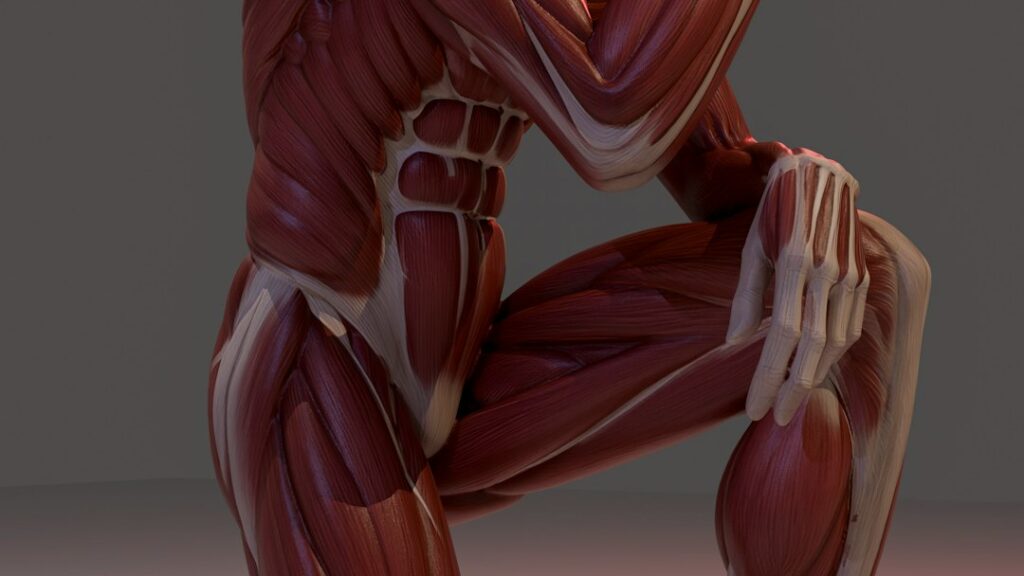
Joint noises are common, and most painless popping or cracking is not a sign that a joint is being damaged. The sound may come from pressure changes in joint fluid, tendons or ligaments moving over nearby tissue, or normal changes in the joint as it bends.
For residents of Southold, NY, the question often comes up after a long day of gardening, boating, walking, lifting household items, or returning to outdoor activity after winter. The sound itself usually matters less than what accompanies it: pain, swelling, weakness, locking, or a recent injury.
Why do joints crack?
Most joint cracking has a mechanical explanation rather than a harmful one.
Synovial joints, such as the fingers, knees, shoulders, hips, and spine, contain lubricating fluid. That fluid includes dissolved gases. When the joint is stretched or moved quickly, pressure changes can create or release a gas pocket, producing a popping sound. This is often called cavitation.
Other sounds come from soft tissues. A tendon may move across a bony prominence and create a snapping sensation. A ligament can shift slightly as a joint changes position. These sounds are especially noticeable in the shoulder, hip, ankle, and knee.
A rougher grinding or crackling sensation, sometimes called crepitus, can have different causes. It may occur with normal aging, changes in cartilage, inflammation, or osteoarthritis. The sound alone does not establish a diagnosis.
Does cracking your knuckles cause arthritis?
Available research has not shown that habitual knuckle cracking causes osteoarthritis. People who have cracked their knuckles for many years do not consistently show more arthritis than people who do not.
That does not mean every form of forceful joint manipulation is harmless. Repeatedly pulling, twisting, or bending a joint aggressively can irritate soft tissues, especially if the area is already injured or unusually flexible. Some people may also develop temporary soreness or reduced grip comfort if they use excessive force.
The practical distinction is simple: ordinary painless knuckle popping is generally not considered a cause of arthritis, while painful or forceful cracking deserves more caution.
Is it normal for knees to crack?
Knee noises are common, particularly during squats, stairs, kneeling, or standing after sitting. Painless clicking or popping may result from tendons moving, pressure changes, or the normal movement of the kneecap.
Knee cracking is more concerning when it occurs with:
- Persistent pain
- Swelling or warmth
- A feeling that the knee gives way
- Locking or inability to fully straighten the leg
- A clear injury, especially a twist or fall
- Progressive difficulty walking or using stairs
A rough grinding sensation does not automatically mean severe damage. Some people have noticeable knee crepitus without significant pain or loss of function. Symptoms and physical findings are more useful than sound alone.
Why does the back crack during movement or chiropractic adjustment?
The small joints of the spine can produce a popping sound when they are moved through a controlled range. The sound may be related to a rapid pressure change within the joint, similar to knuckle popping. It does not mean that a bone has been “put back into place,” and the absence of a sound does not mean a movement was ineffective.
A chiropractic adjustment should not be judged solely by whether it produces a crack. The more relevant questions are whether movement becomes more comfortable, whether function improves, and whether the technique is appropriate for the person’s health history.
Forceful self-manipulation is not a good approach for everyone. People with recent trauma, known bone weakness, certain inflammatory conditions, neurological symptoms, or unexplained severe pain should avoid trying to force a joint to crack until the cause has been assessed.
Does joint cracking mean something is out of alignment?
Not necessarily. Joint noise is often mistaken for proof that a bone is displaced or misaligned. In most cases, a pop reflects movement, pressure, or soft-tissue motion rather than a major structural problem.
Posture, muscle tension, prior injuries, work habits, and activity levels can affect how a joint moves. For example, repeated lifting, prolonged computer use, seasonal yardwork, or returning too quickly to recreational activity can make certain movements feel stiff or unfamiliar. These factors may influence symptoms without meaning that a joint is dangerously out of position.
A careful assessment looks at pain, strength, range of motion, coordination, and daily function rather than relying on sound alone.
When should joint cracking be checked?

A painless, occasional noise usually does not require urgent attention. Medical evaluation is more appropriate when cracking is new, persistent, or connected with other symptoms.
Seek prompt care after an injury if a joint becomes visibly deformed, rapidly swollen, unusable, numb, or unusually cold. Urgent assessment is also appropriate for severe pain, fever with a hot swollen joint, or new weakness.
For less urgent concerns, an evaluation is reasonable when:
- Pain lasts more than a few days or keeps returning
- Swelling develops repeatedly
- The joint catches, locks, or gives way
- Motion becomes limited
- Symptoms interfere with sleep, walking, work, or recreation
- Numbness, tingling, or weakness travels into an arm or leg
These signs do not identify one specific condition, but they indicate that the sound should not be considered in isolation.
Can lifestyle reduce bothersome joint noises?
Joint sounds cannot always be eliminated, and they do not always need to be. The goal is usually to improve comfort and function.
Helpful habits include gradual warmups, regular movement, strengthening appropriate to the person’s ability, and avoiding sudden increases in activity. Someone returning to outdoor work in spring may benefit from alternating tasks, taking brief movement breaks, and using hip and knee bending rather than repeatedly rounding the back while lifting.
Supportive footwear, adequate sleep, and maintaining a healthy body weight can also reduce stress on weight-bearing joints. Gentle mobility work may ease stiffness, but stretching should not be forced into pain or used to repeatedly chase a cracking sensation.
If a movement causes sharp pain, swelling, or a feeling of instability, stop that activity and allow the symptoms to settle while considering an appropriate clinical evaluation.
The main point about cracking joints
Joint cracking is usually harmless when it is painless and does not affect movement. It is not, by itself, proof of arthritis, poor alignment, or serious damage.
The sound becomes more meaningful when paired with pain, swelling, weakness, locking, instability, neurological symptoms, or a recent injury. Those accompanying signs provide better guidance about whether an evaluation is needed than the noise itself.
